
Soft Washing vs Pressure Washing: What Your Home Actually Needs
The difference is not the machine, it is the pressure and the solution. Here is how to tell which one your property needs.
Same Truck, Two Completely Different Methods
Both come off the same rig, and to a homeowner watching from the driveway they can look identical. The difference is what is doing the cleaning. Pressure washing cleans with force, a concentrated stream of water strong enough to strip years of grime off concrete. Soft washing cleans with chemistry, a low pressure application of a cleaning solution that breaks down mold, mildew and algae, followed by a gentle rinse. One removes what is sitting on the surface. The other kills what is growing in it.
Getting that choice right is most of the job. It is also the thing that separates a crew that has been doing this in Katy since 2019 from someone who bought a machine last spring and is charging half our price.
Where Low Pressure Is the Only Safe Choice
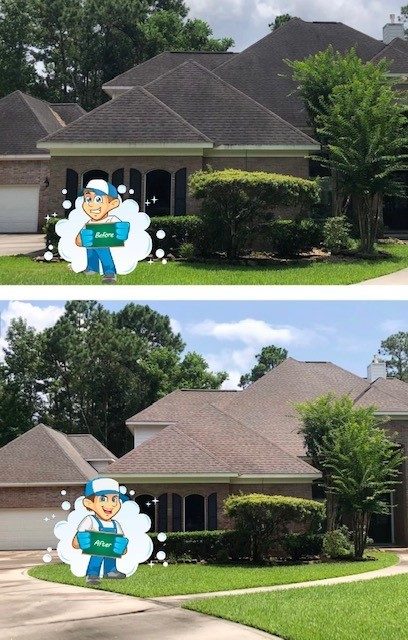
Anything on the house itself gets soft washed. That covers the surfaces most people assume are tough enough to take a blast:
- Vinyl and Hardie siding, where high pressure drives water up behind the lapped panels and into the wall
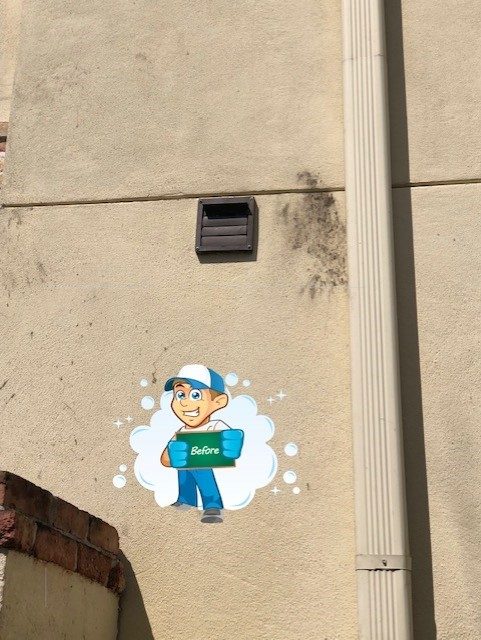
- Stucco and EIFS, where force chips the finish and opens hairline cracks that were sealed
- Painted wood, trim and soffits, where pressure lifts paint faster than it lifts dirt
- Asphalt shingle roofs, where the granules that block UV wash straight down the gutter
- Screens, windows and window seals, which were never built to take it
Where High Pressure Does the Real Work
Flat, hard, unfinished surfaces are what high pressure was made for, and using anything gentler on them just means the stains stay:
- Concrete driveways, sidewalks and aprons
- Patios, pool decks and walkways, at a pressure matched to the finish
- Parking lots, loading areas and dumpster pads
- Brick and stone paving, where the mortar is sound
The Mistakes That Cost Homeowners Money
Almost every horror story in this trade comes from one method being used where the other belonged. Pressure aimed up under siding puts water in a wall cavity that has no fast way to dry, and the damage shows up months later as a stain on the inside of the house. Pressure on a shingle roof takes the protective granules with the algae and quietly shortens the life of the roof. Pressure on stucco opens the surface up so it holds dirt worse than it did before.
The reverse is milder but still real. Soft washing a badly stained driveway will lighten it and leave the deep stains sitting there, which is how people conclude that pressure washing does not work on concrete.
How We Pick the Method at Your Property
- We identify what every surface actually is before anything gets turned on, because painted brick and unpainted brick are not the same job
- Anything vertical, finished or shingled gets low pressure and a solution
- Anything flat, hard and unfinished gets pressure, dialed to the surface rather than run wide open
- Beds and shrubs get wet down before we start, kept wet through the wash and rinsed again after
- If a surface is a judgment call, we tell you which way we are going and why before we start it
What People Want to Know Before Choosing
Should I soft wash or pressure wash my house?
Soft wash it. Almost every residential exterior, meaning vinyl and Hardie siding, stucco, brick, painted wood and shingle roofs, should be cleaned with low pressure and a cleaning solution rather than force. High pressure belongs on flat concrete: driveways, sidewalks, patios and parking lots. If a contractor offers to pressure wash your siding or your roof, that is the moment to ask why.
Can pressure washing damage vinyl siding?
Yes, and it is one of the most common ways a house gets hurt by a cleaning. Vinyl siding is lapped, so a high pressure stream aimed upward or sideways can drive water behind the panels and into the wall cavity, where it has no fast way out. The visible damage, cracked panels and stripped paint on trim, is the obvious part. The water that went behind the wall is the expensive part.
Does soft washing actually kill mold and algae or just rinse it off?
It kills it, which is the reason the results last longer. Soft washing applies a cleaning solution that breaks down the organism itself, then rinses. Pressure alone knocks the visible growth off the surface but leaves the roots, so it comes back faster and often unevenly. That difference in regrowth time is usually more noticeable than the difference on the day the job finishes.
Is soft washing safe for plants and landscaping?
Yes, when the crew preps for it. We wet down beds and shrubs before we start, keep them wet through the wash and rinse everything again afterward, which dilutes anything that drifts. Landscaping damage from soft washing almost always traces back to a crew that skipped the pre-wet, not to the method.
Why do roofs need soft washing instead of pressure washing?
Because pressure strips the granules off asphalt shingles, and those granules are the part that protects the shingle from UV. Lose them and you have shortened the life of the roof to clean it, which is a bad trade. The black streaking on a Houston area roof is gloeocapsa magma, a hardy algae, and it comes off with the right solution at low pressure without touching the granules.
Not Sure Which One Your Home Needs?
Call, text or request a quote online. We usually respond the same day.